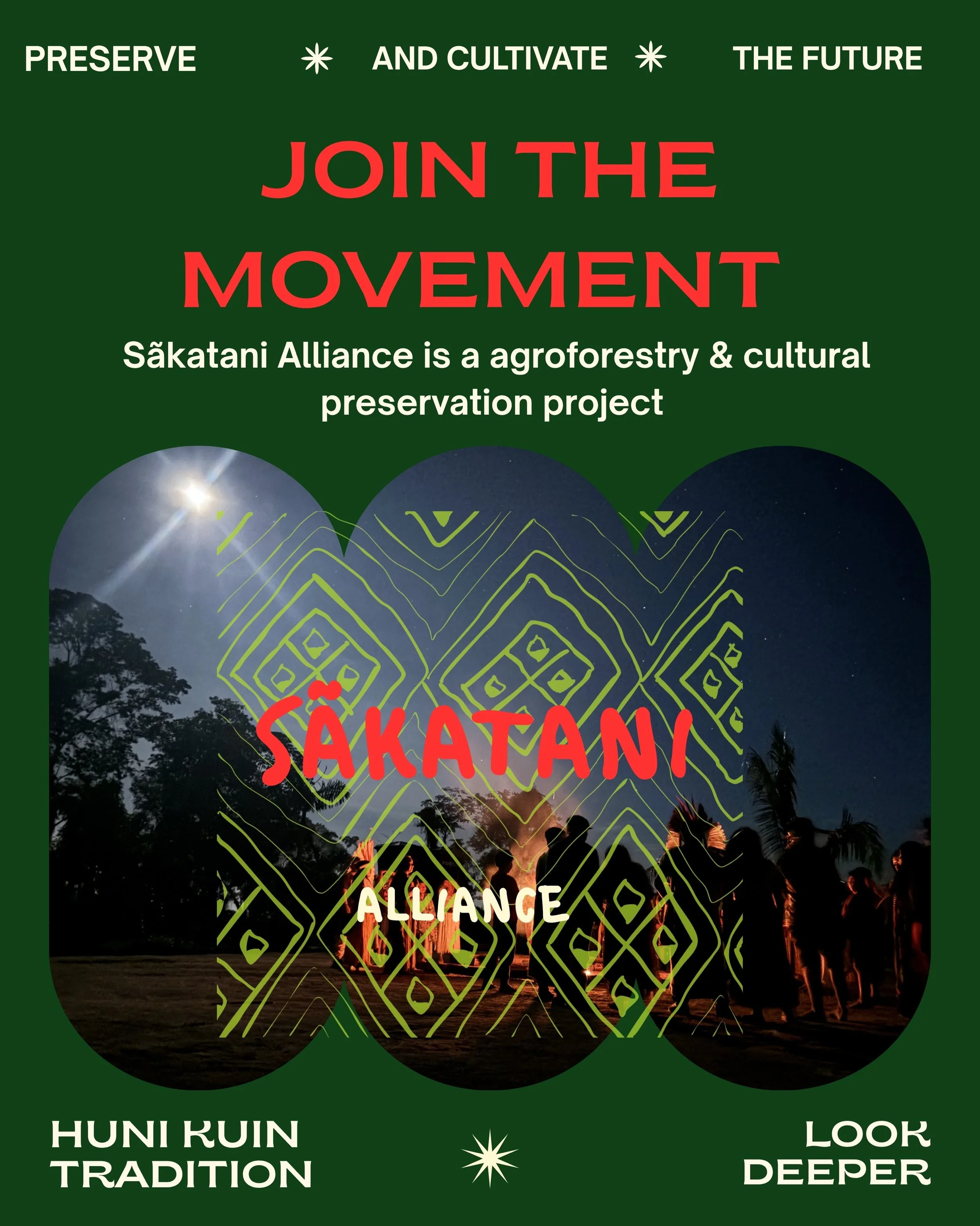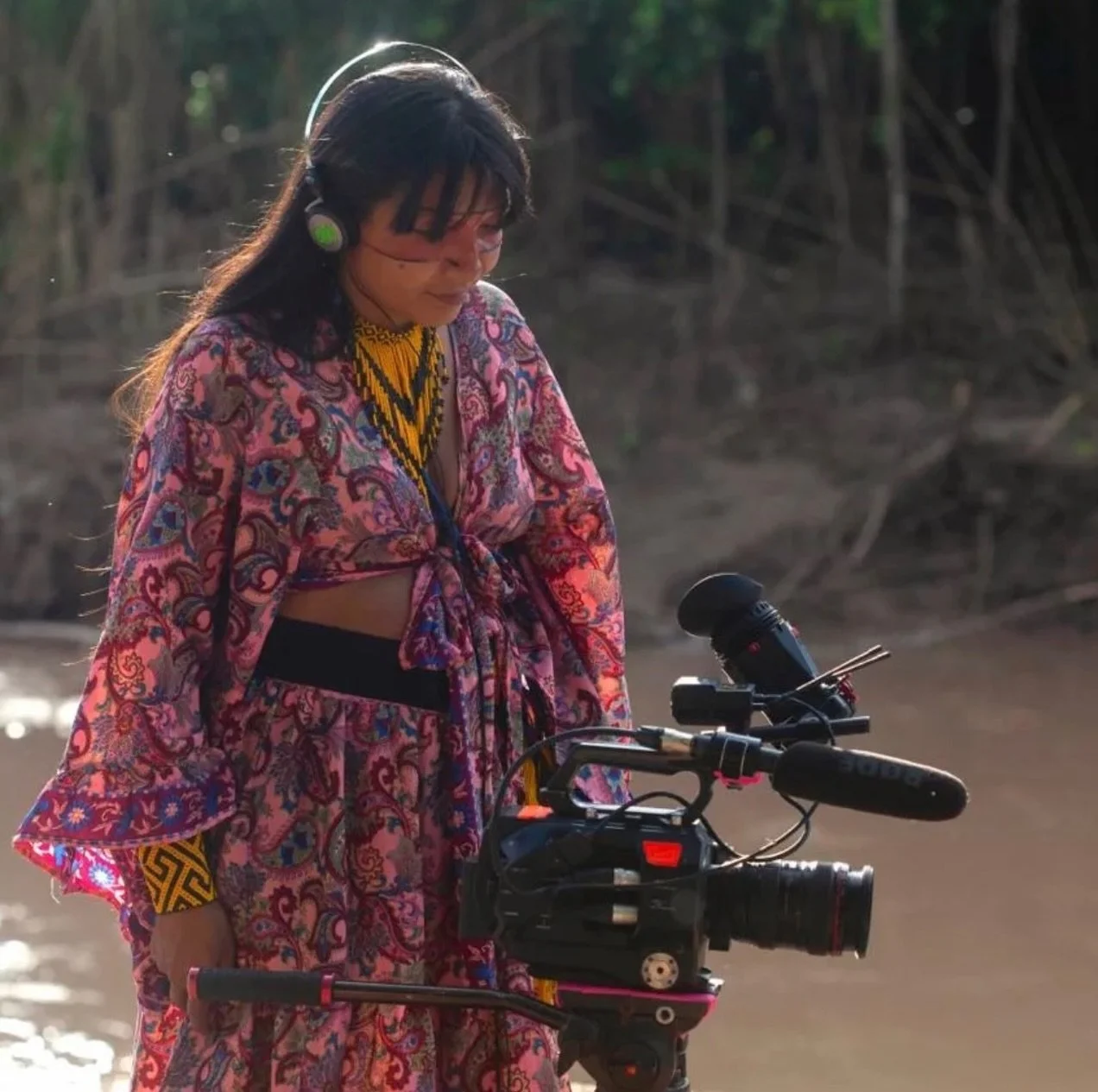
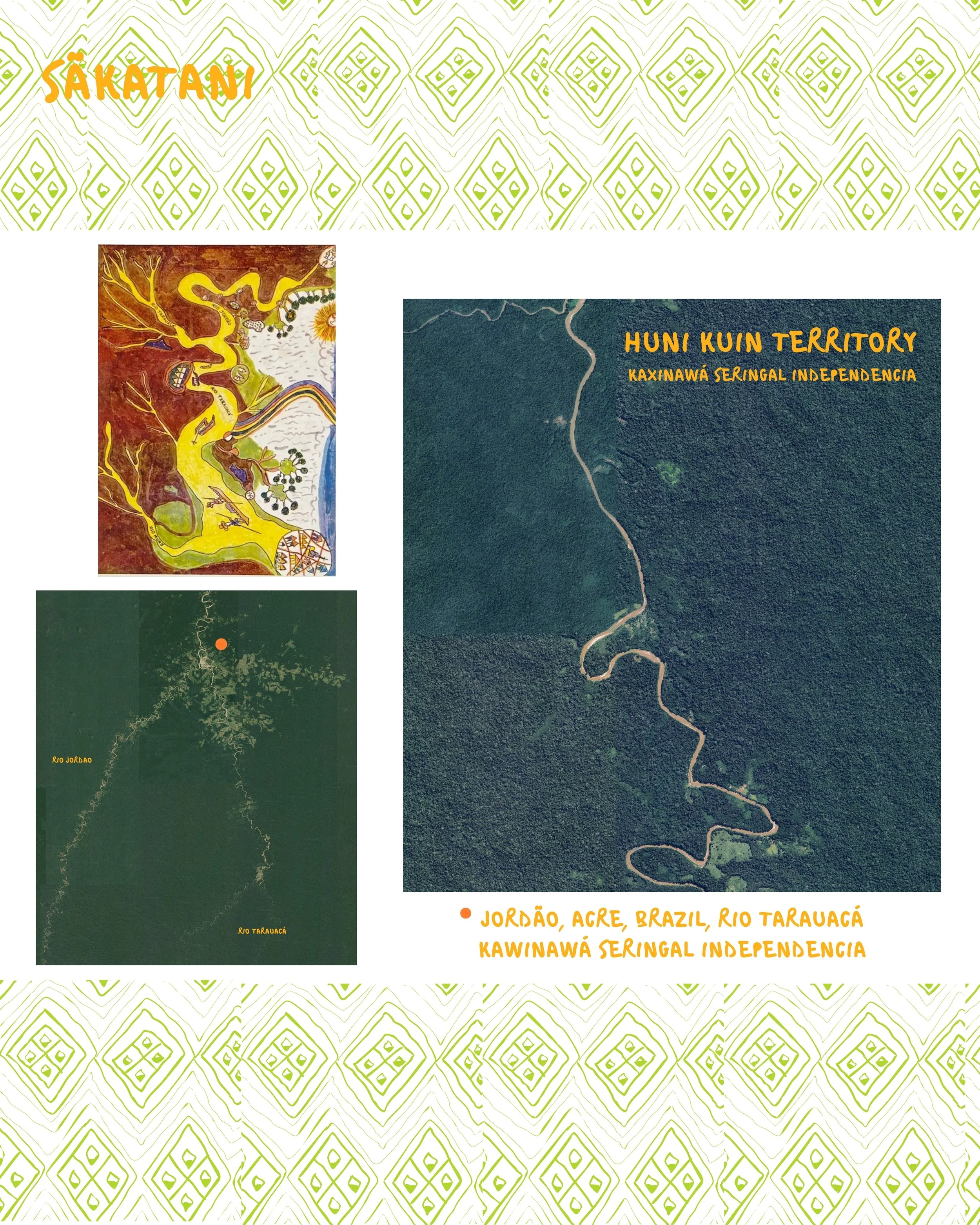
Read more about Silvaes first pilot project, Sãkatani AllianceTake a deeper look into our first pilot project; a Agroforestry and cultural preservation project, in Jordão, Acre, Amazon, Brazil.
Sãkatani Alliance: A shared recognition with the community of the urgent need to secure land and food sovereignty in regions facing increasing pressure from extraction of resources, deforestation and scarcity.
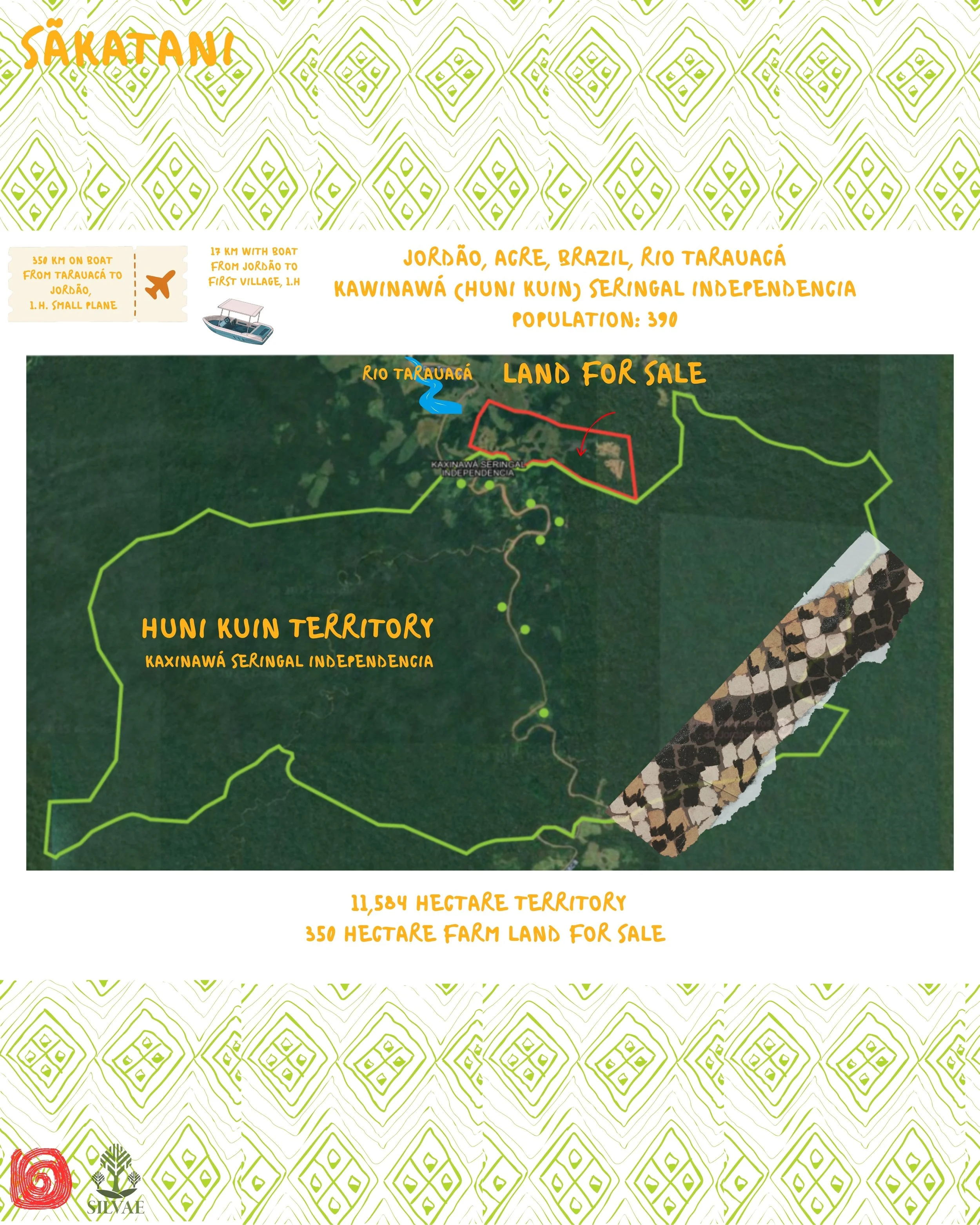
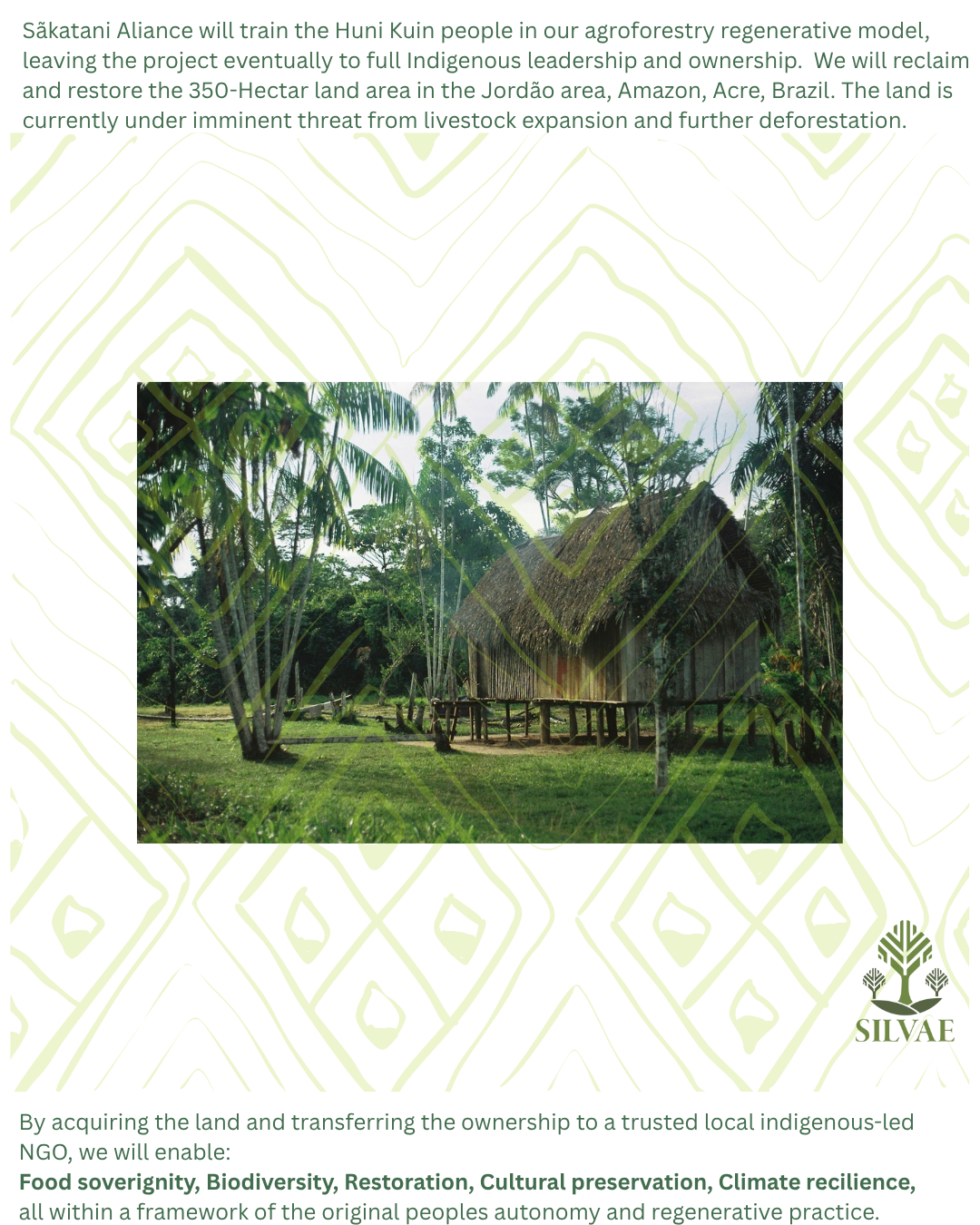
This initiative aims to reclaim and restore a 350-hectare area in the Amazon, Acre, for the Huni Kuin Indigenous people. The land is under imminent threat from livestock expansion and further deforestation.
Why the Amazon
Silvae participates as bridge builders with our project Sãkatani Alliance and the first nations and local communities, valuing the importance of preserving one of the most crucial places, for our planets vital balance; the rainforest.
Through agroforestry work we aid nature maintaining biodiversity, store carbon, learn how to live on and with the land, in harmony, as well as significantly contributing to climate change mitigation.
The Amazon is one of the largest biodiverse current territories, holding more than 10% of the known species on earth, home to more than 80.000 plants. It has been cultivated through centuries since the first people immigrated from Siberia, some 13.000-17.000 thousand years ago. The Brazilian side, as well as the rest of the Amazon are under restoration and current attacs, after relentless threats of exploitation, christianisation, colonisation and illegal exportation of minerals and resources.
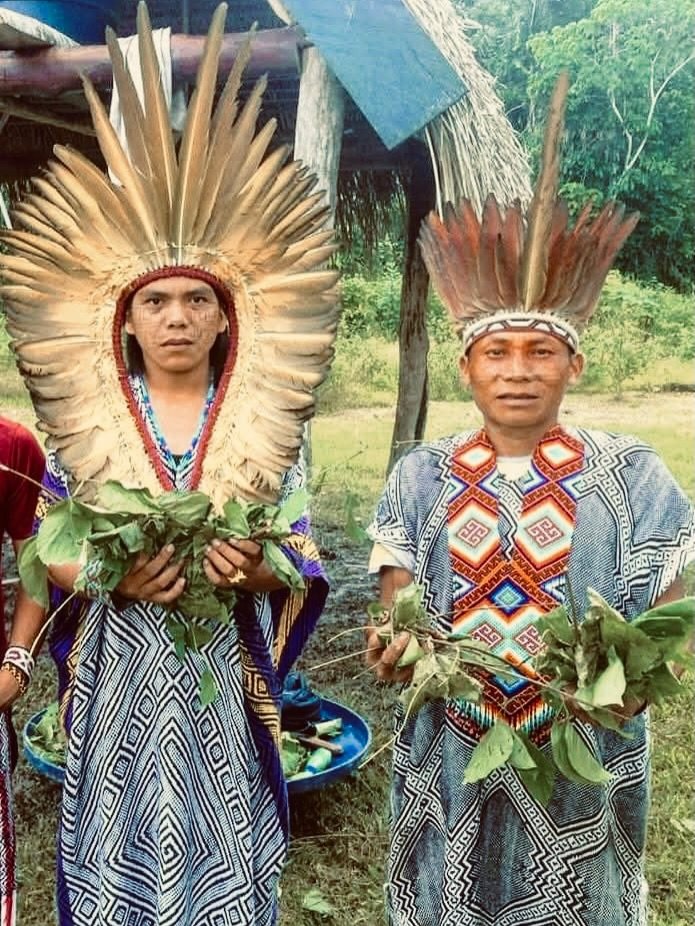
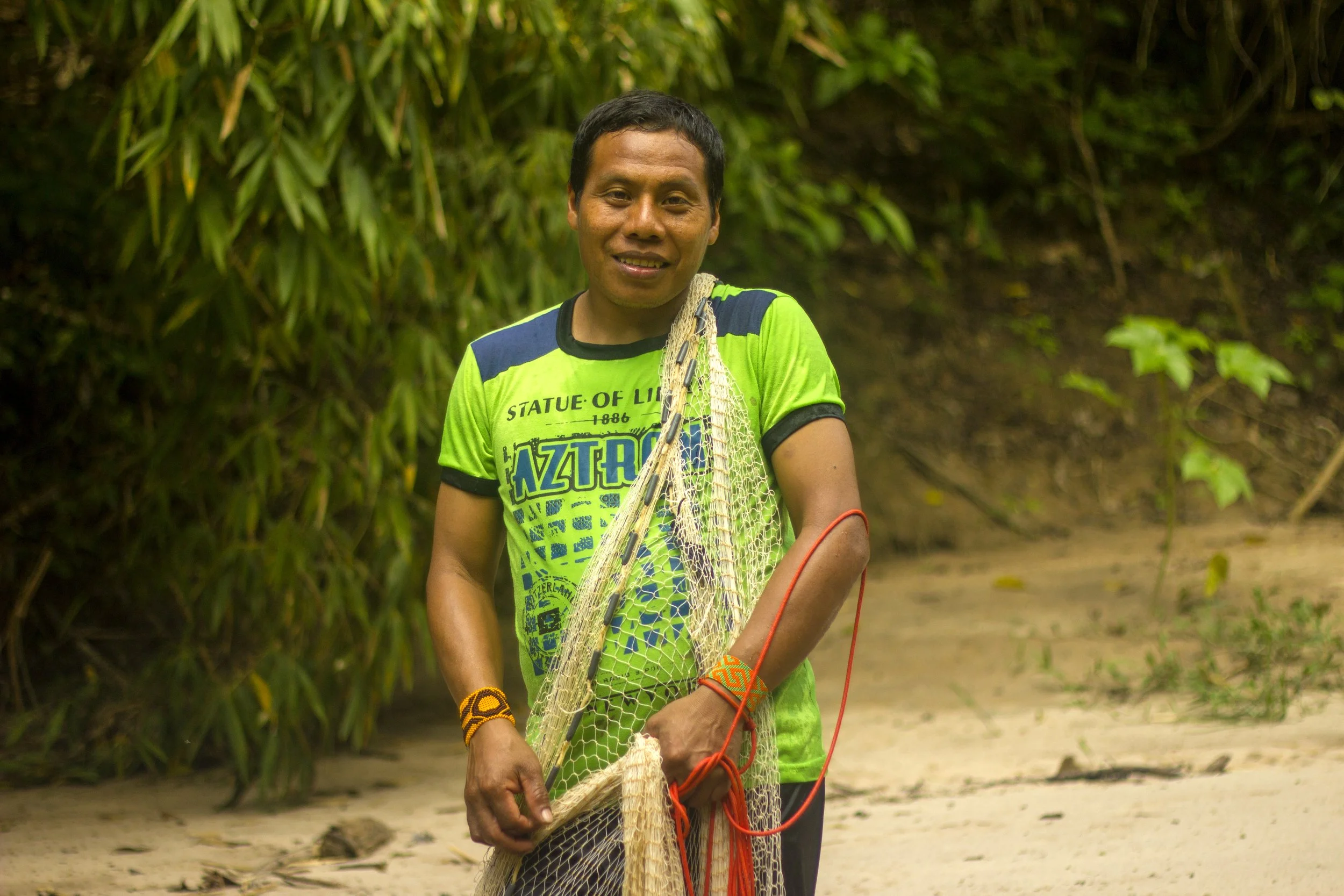
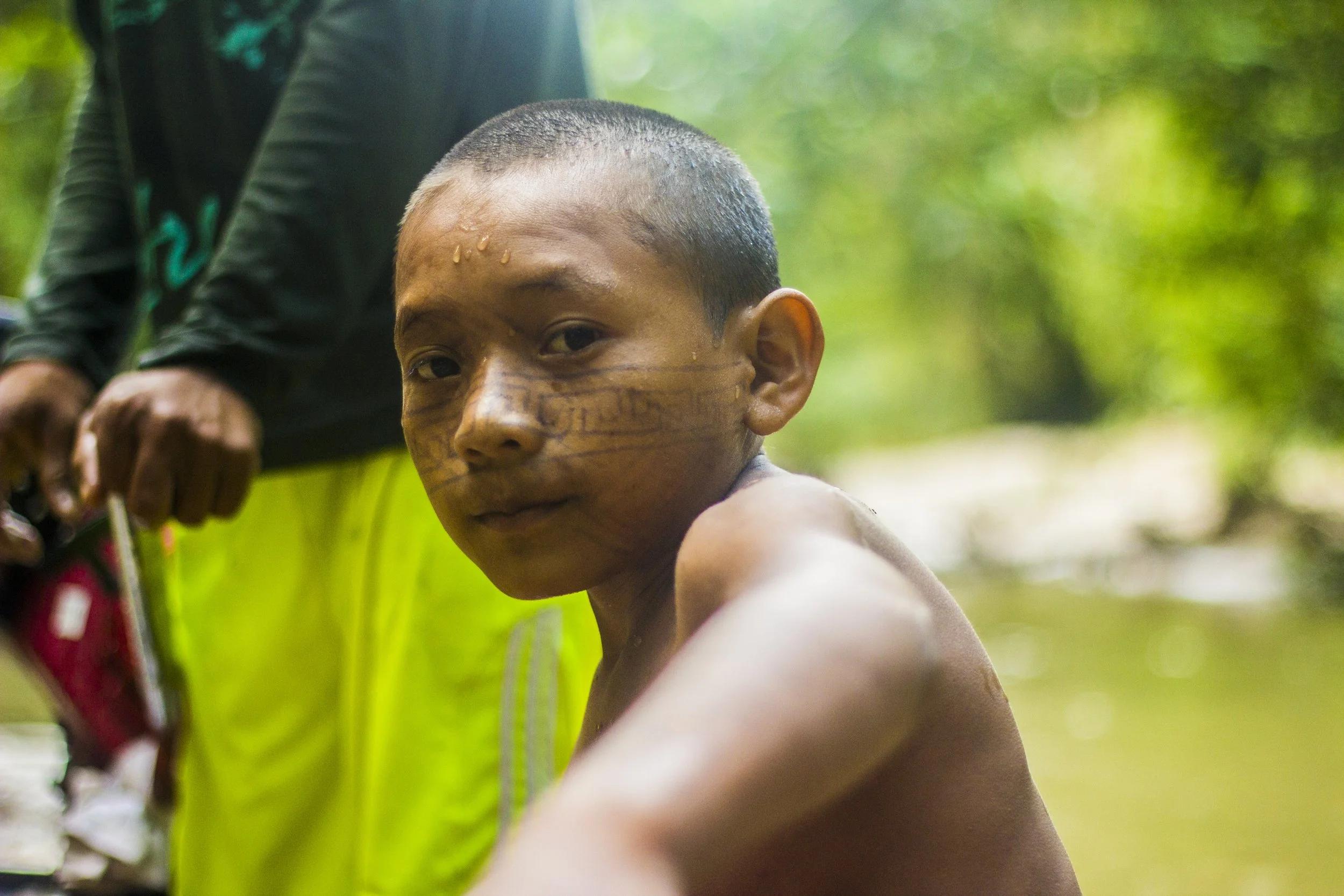
The HuniKuin people comprise approximately 16,000 individuals residing across 12 indigenous territories in the state of Acre, Brazil, Western Amazonia, along the Tarauacá, Jordão, Breu, Muru, Envira, Humaitá rivers. Their presence also extends into Peru, where they inhabit about 30 villages located near the Curanja and upper Purus rivers.
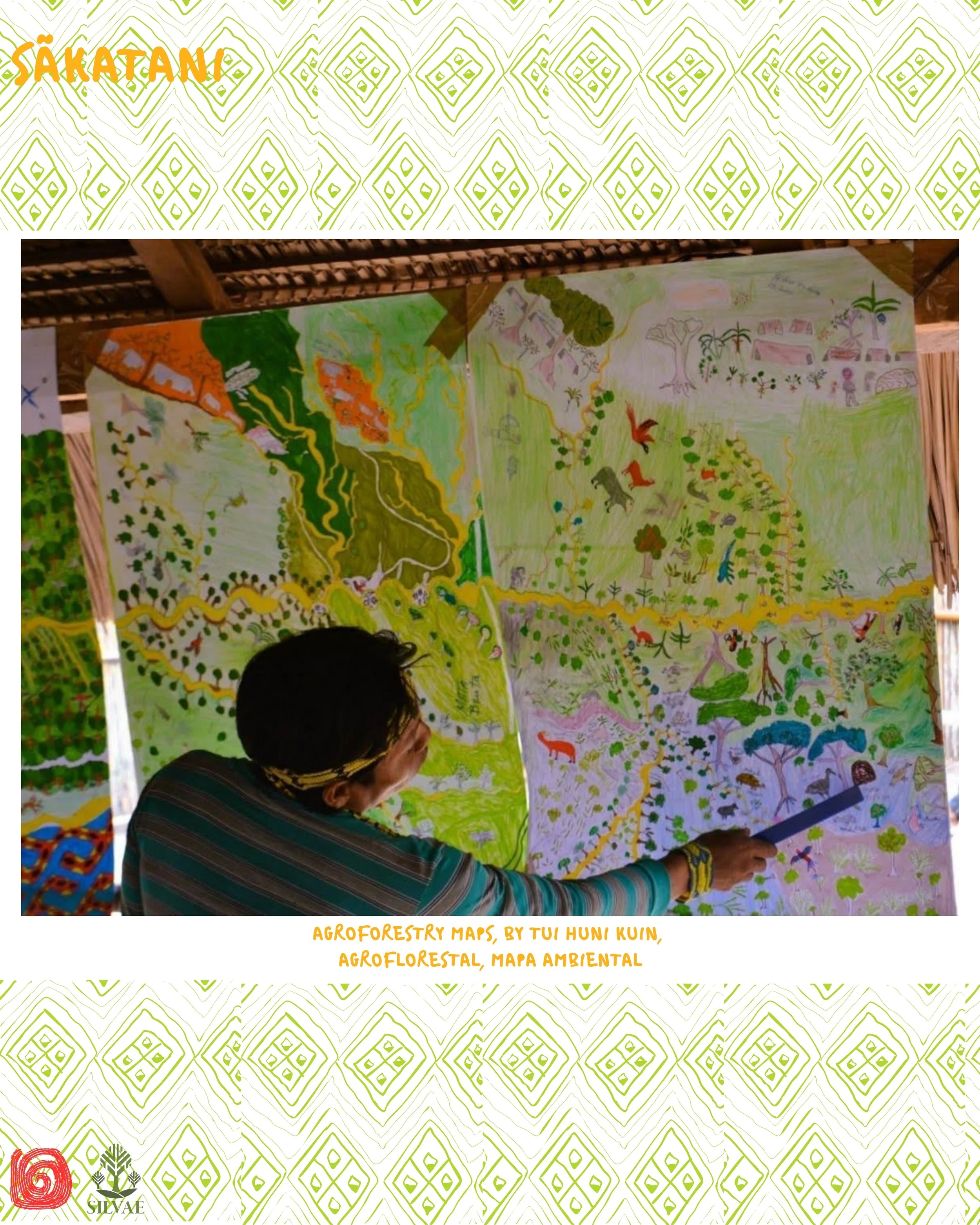
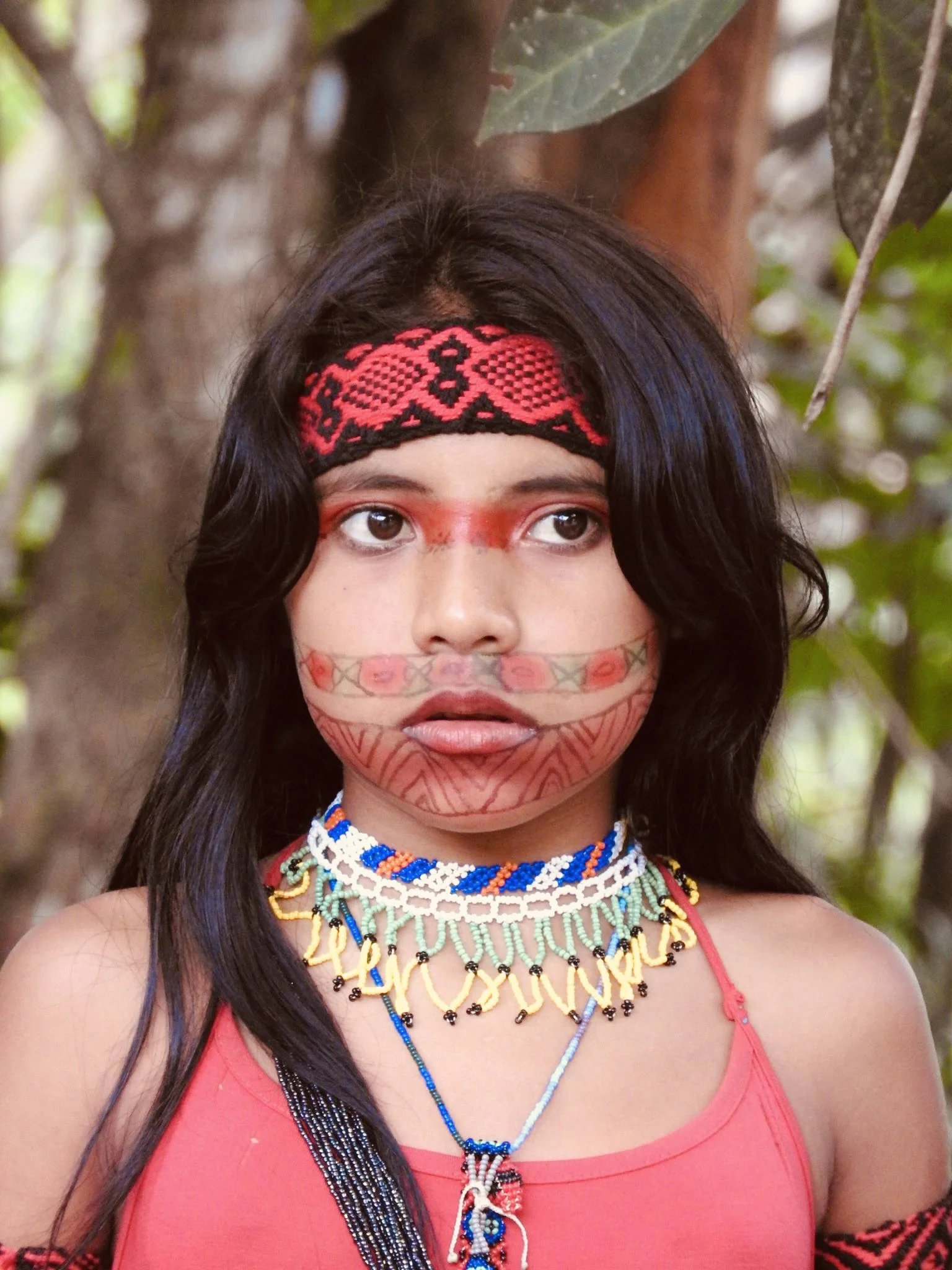
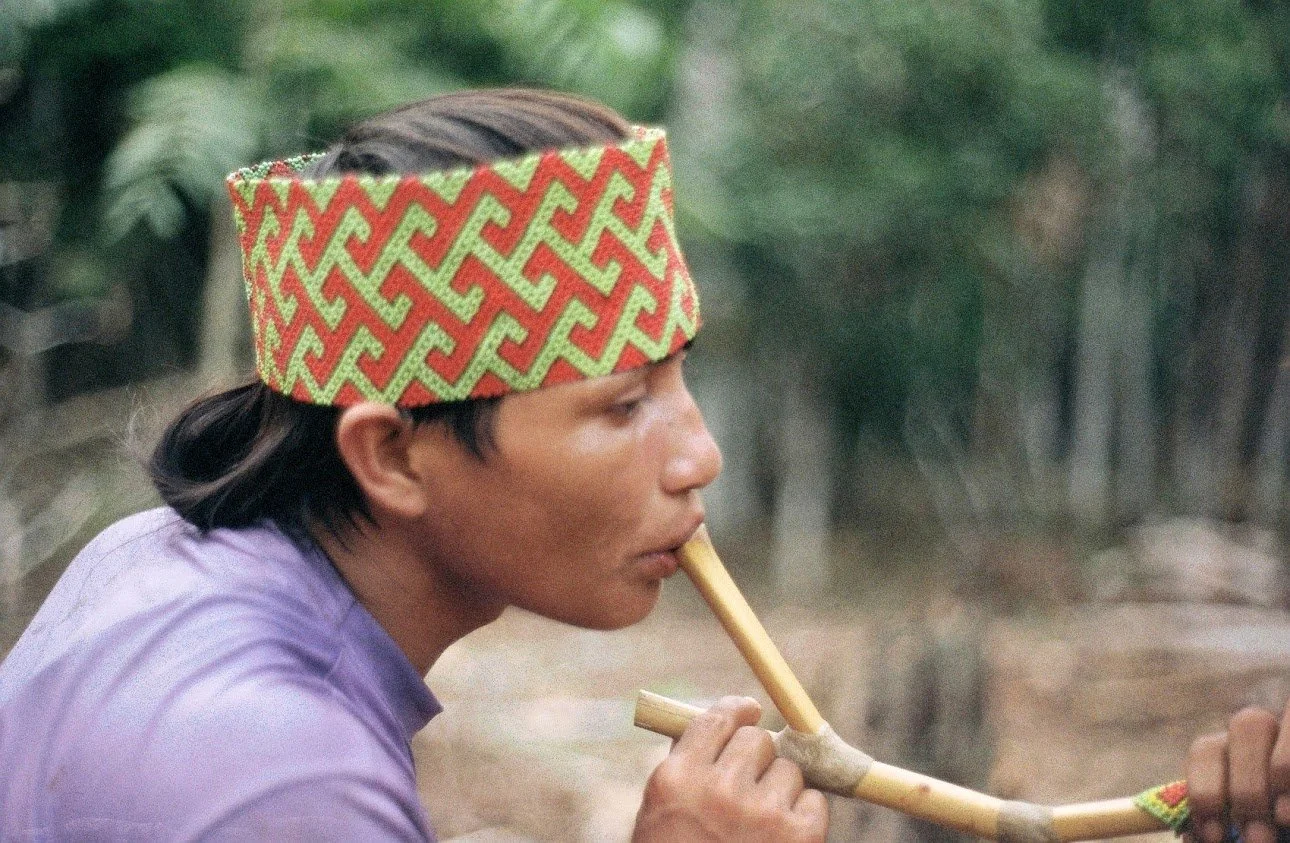
The true people, or the people from the smoke, as Huni Kuin means, represents a people of enormous resilience and are currently having a wave of rebirth of their heritage, an impressive testimony to witness. After almost extinction through slavery, colonisation and exploitation, through the rubber and mining industries, as well as disease impact, coming from outsiders; Their remarkable strength to preserve their culture, language, was of living and their ancestral practices makes one of the greatest examples of what unity brings into a community.
Join the movement by strengthening the Huni Kuin vision, culture and building futures inside the jungle.
〰️
Join the movement by strengthening the Huni Kuin vision, culture and building futures inside the jungle. 〰️
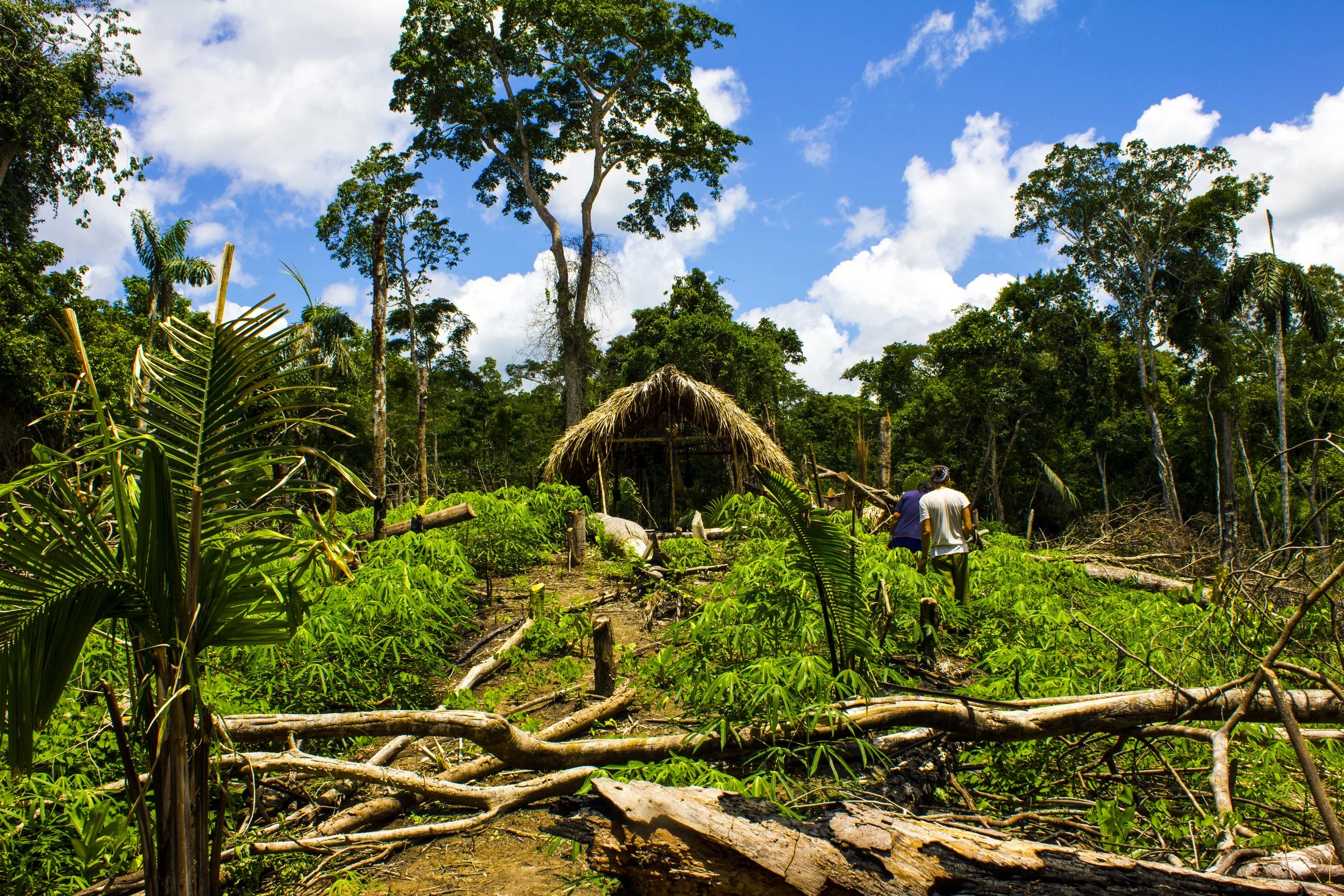
Reclaim and restore 350-hectare area, currently barren and deforested:
The Location: Jordão, Brazilian Amazon. By acquiring it and transferring ownership to a trusted local Indigenous-led NGO, we will enable:
Food sovereignty
biodiversity restoration
cultural preservation
and climate resilience
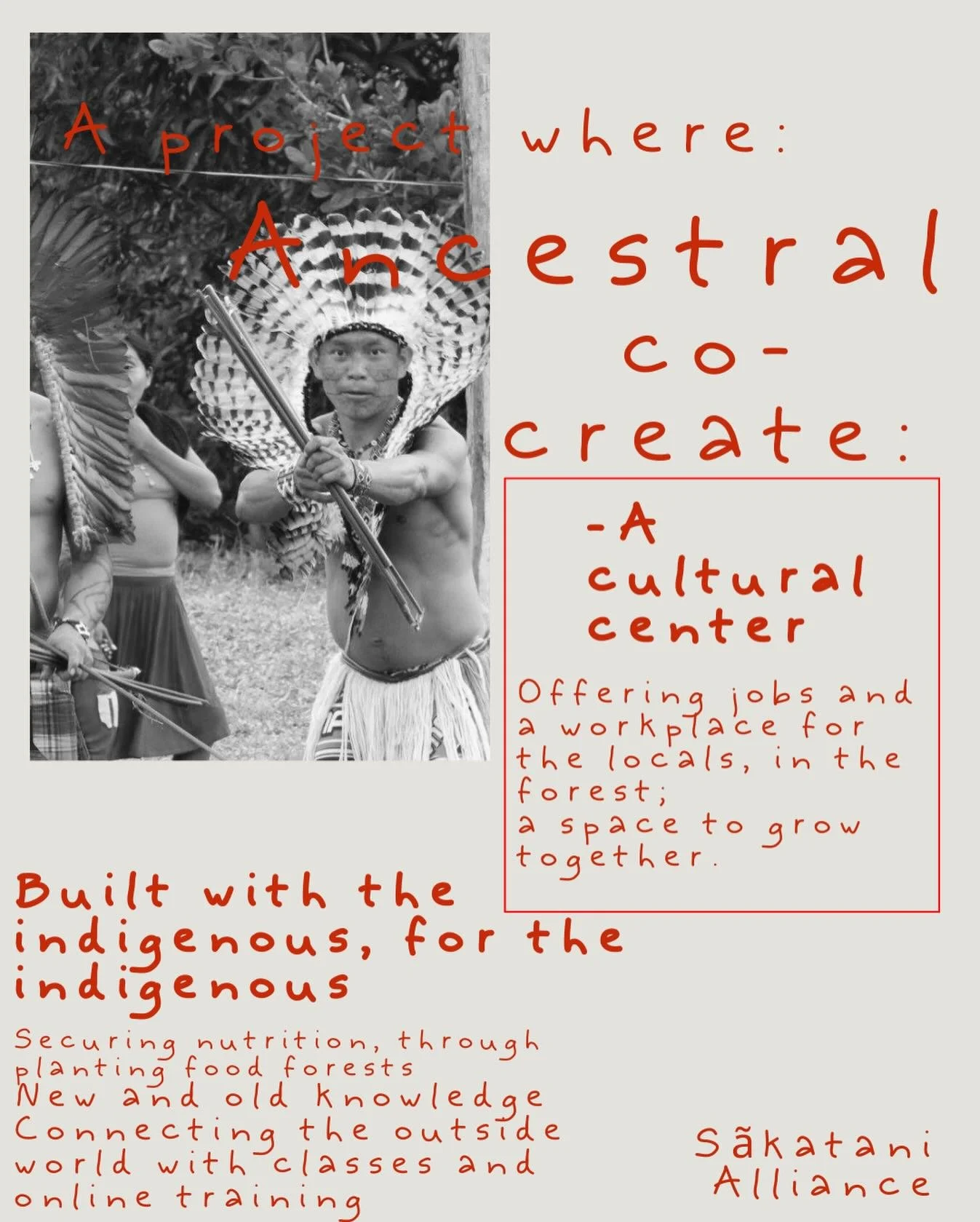
All within a framework of local autonomy and regenerative practice.Together with joint signatures and agreement from the Jordãos Indigenous leaders of 8 villages (Ni Yuxibu, Lago Lindo, Arco Iris, Nova União,Rosa Branca, Terra Viva, Flor da Mata and Mãe Bena) and Silvae/Sãkatani Alliance; we want to co-create a Huni Kuin cultural institute and a 100% self-sufficient agroforestry system that strengthens food security, local livelihoods, and a community-led economy.
Why This Land Matters
The current Indigenous territory is insufficient for the needs of the growing population. Many families lack the space to build their homes, and food insecurity is increasing due to limited arable land and environmental degradation. Acquiring this land would directly address these urgent needs. It would provide:
• Space for new homes and family gardens by freeing up existing overcrowded land as food production shifts to new site • Areas to grow staple foods and regenerate degraded soil
• Forest to replant native species for biodiversity and medicine
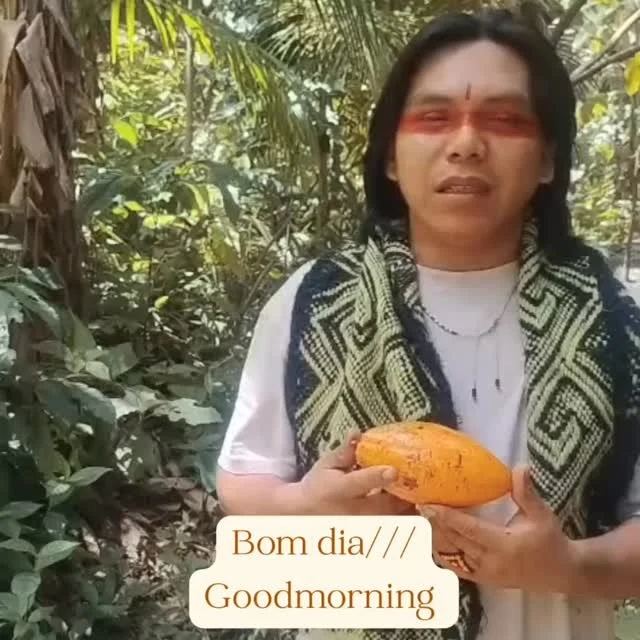
• A foundation for economic autonomy through crops like cacao, cashew, and açaí
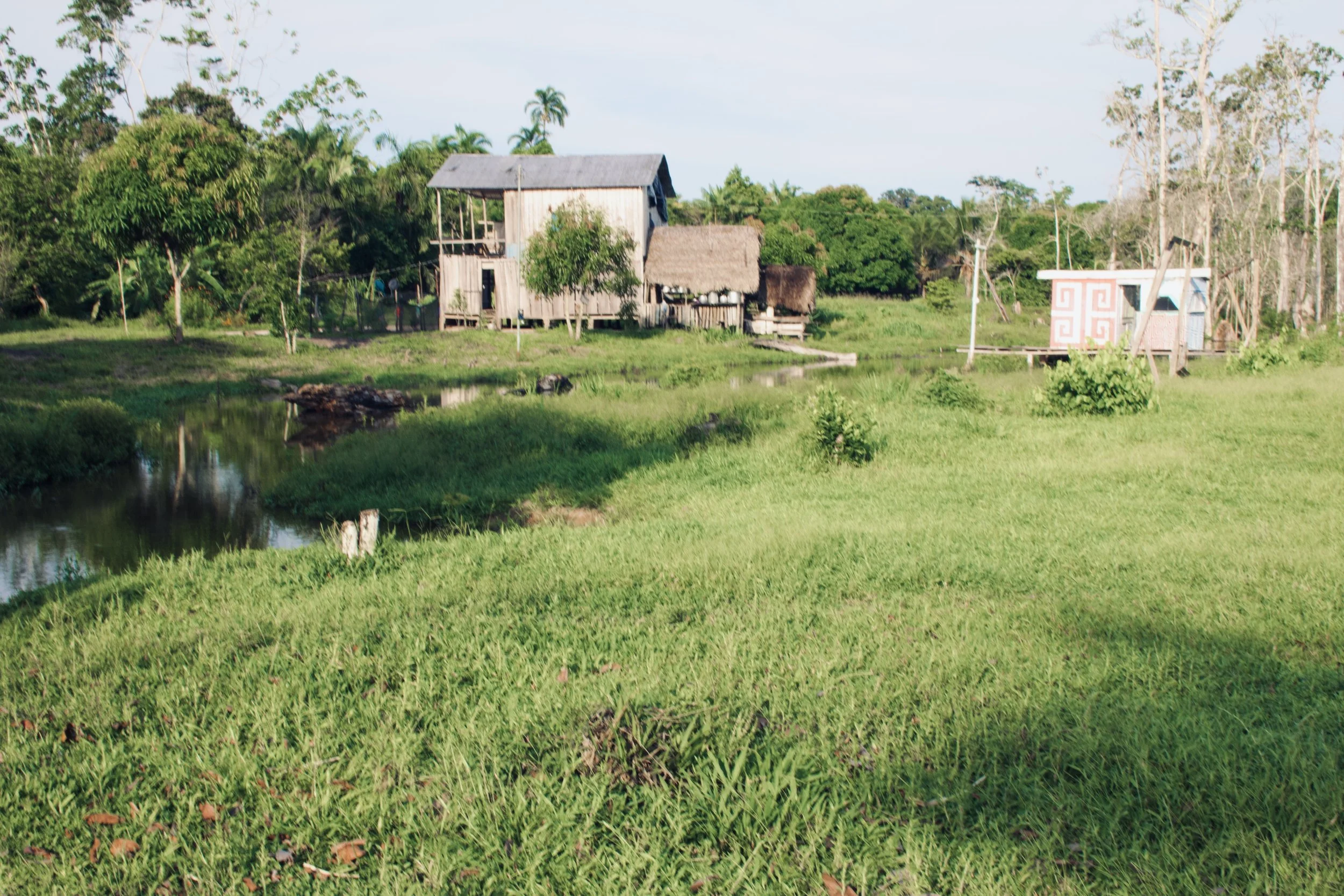
• Aquaculture potential in existing ponds, with fish waste used as organic fertilizer for forest regeneration This is not only a conservation project, it is a food sovereignty project.
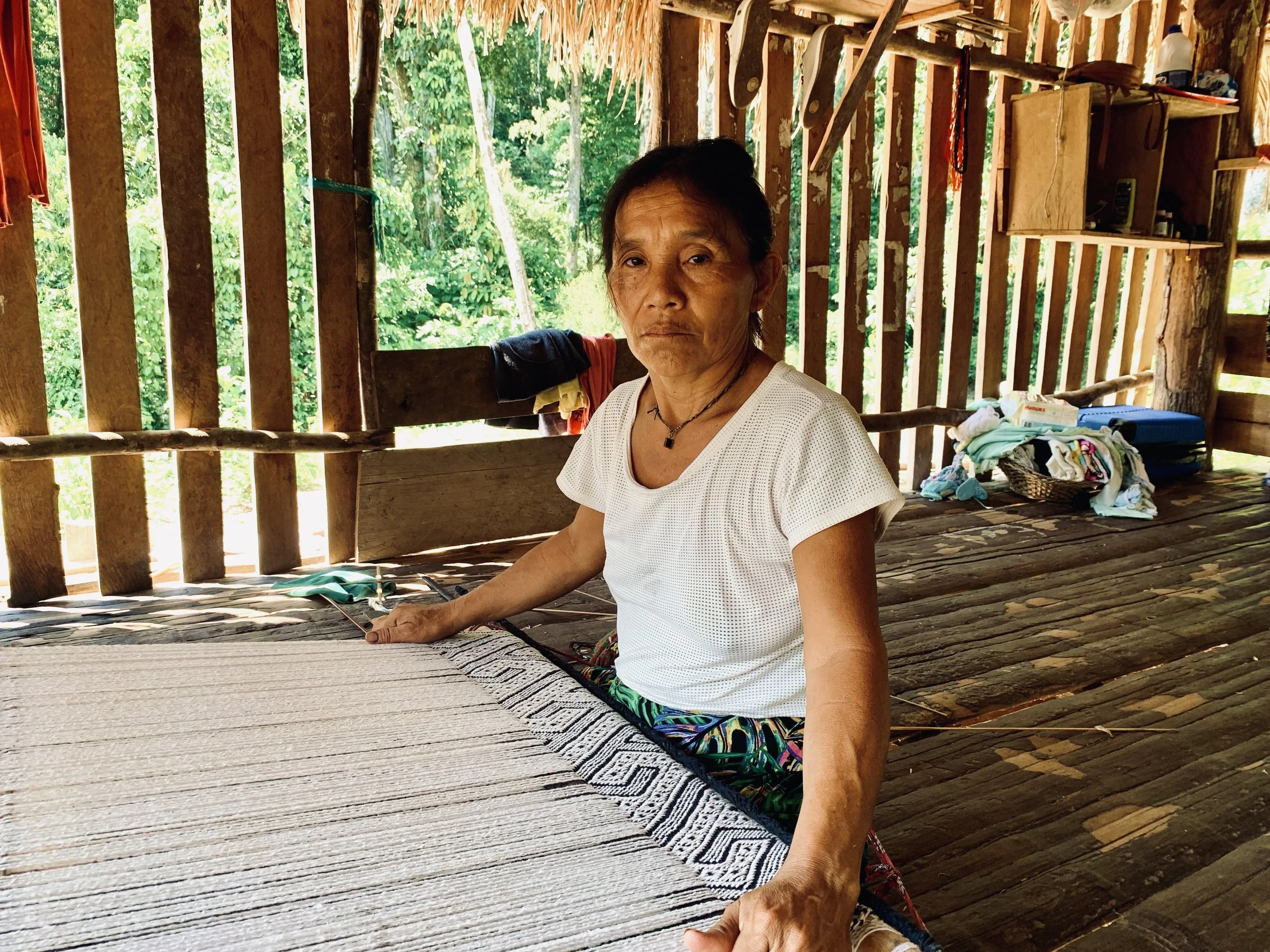
Huni Kuins traditional practices contribute to environmental sustainability and by supporting their initiatives, they can gain a stronger political voice in discussions about land use and environmental policies. Representation matters and as stated in the Indigenous Manifest:
“We demand the right to live well in our own lands, not as symbols of a disappearing world but as creators of a future rooted in balance. For that, we need space, not only to survive, but to thrive.”
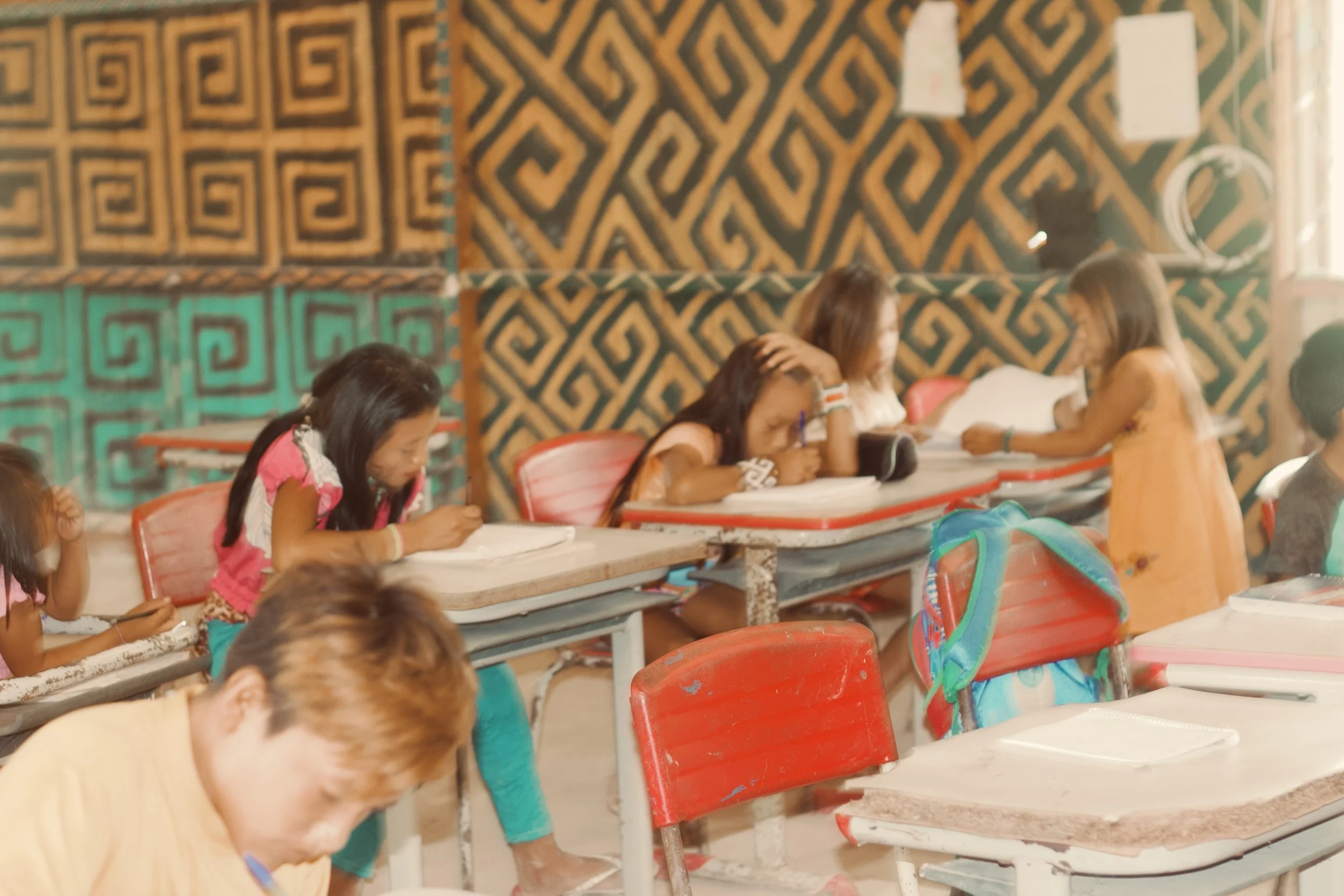
we are currently in phase 1 of the project:
Our primary focus:
-Funds for land acquisition
-Funds for infrastructure (seedling center, tool sheds, training center, basic housing)
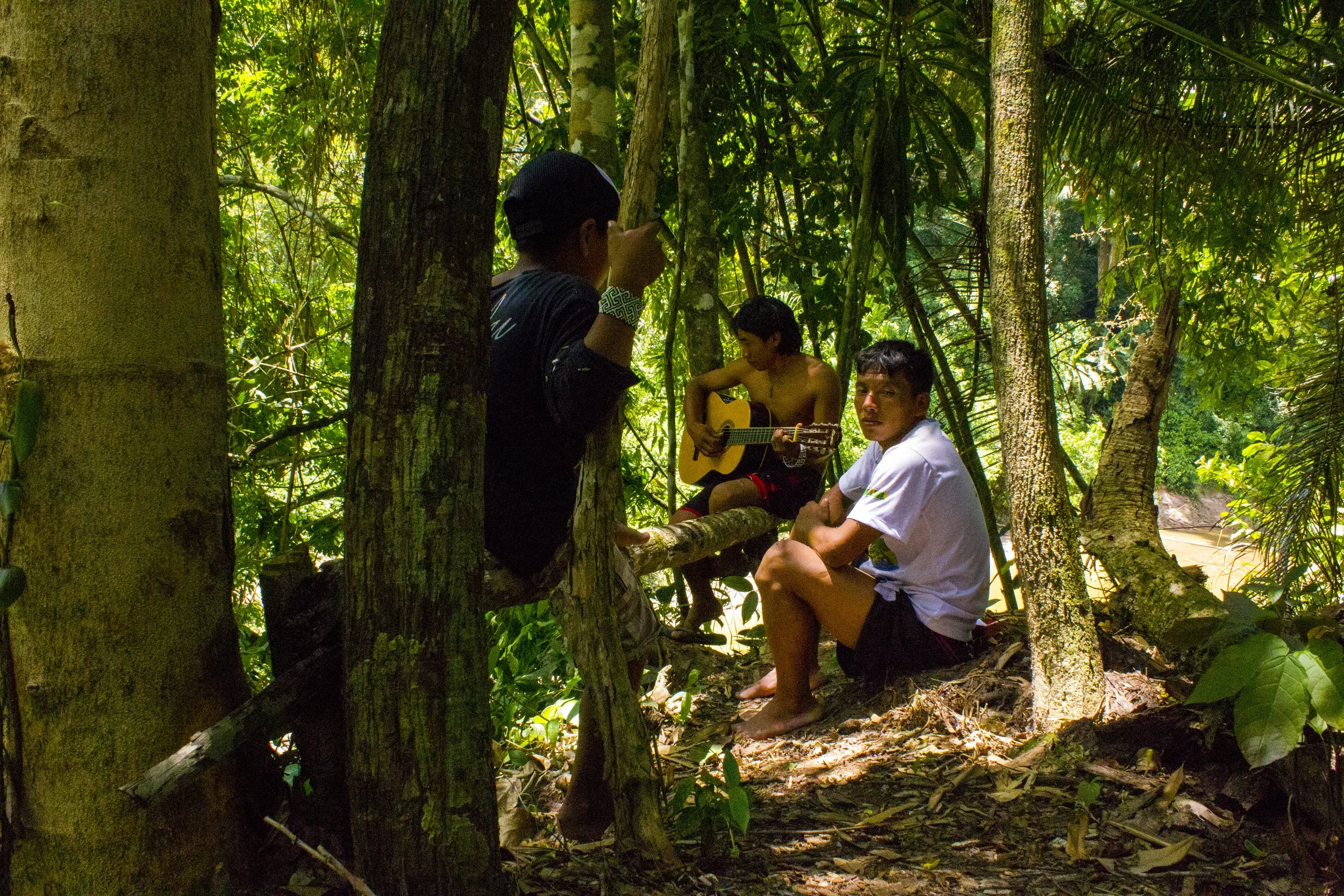
The project will be supported by the sale of existing 300 cattle at the farm, eco tourism through various workshops selected by the Huni Kuins, focusing on agroforestry, culture based visual strengthening workshops and music, crop offtake/pre-purchase contracts, carbon credit monetisation, crowdfunding and strategic co-financing.
The initiative welcomes both grants and philanthropic support as well as impact-aligned investments
What the Project Will Deliver
• Land security for Huni Kuin through legal transfer to an Indigenous NGO
• Food production via regenerative agroforestry (cacao, açaí, cashew, hemp)
• Income generation through sustainable crops and pre-sale contracts
• Biodiversity restoration and aquaculture integrated with reforestation
• Housing & Building techniques - hemp/clay construction as alternative to concrete-based expansion in the Amazon • Training center, nursery, and housing in first implementation phase
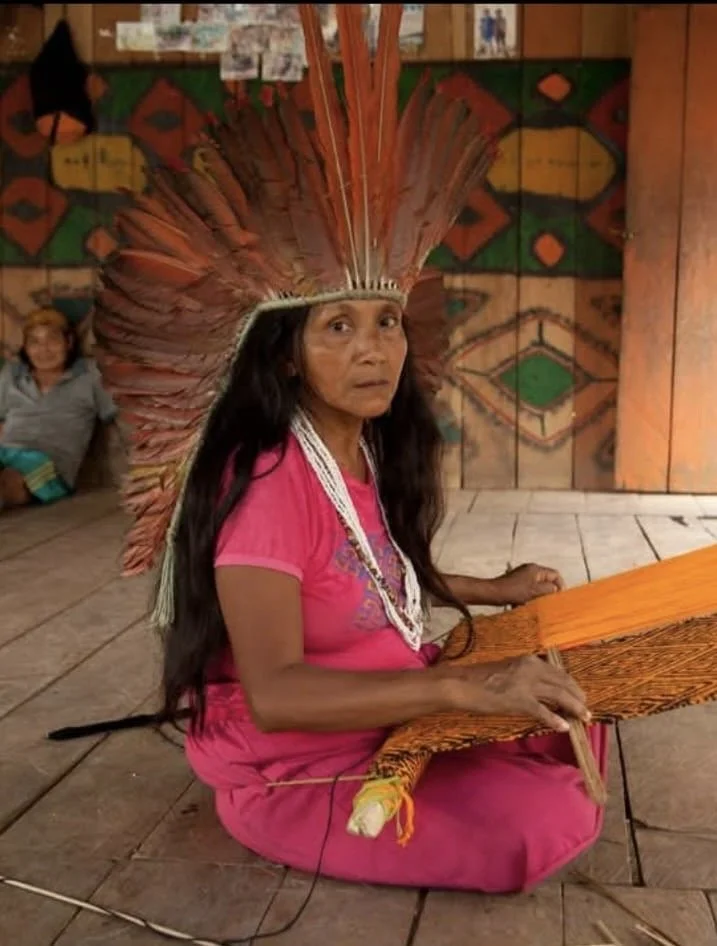
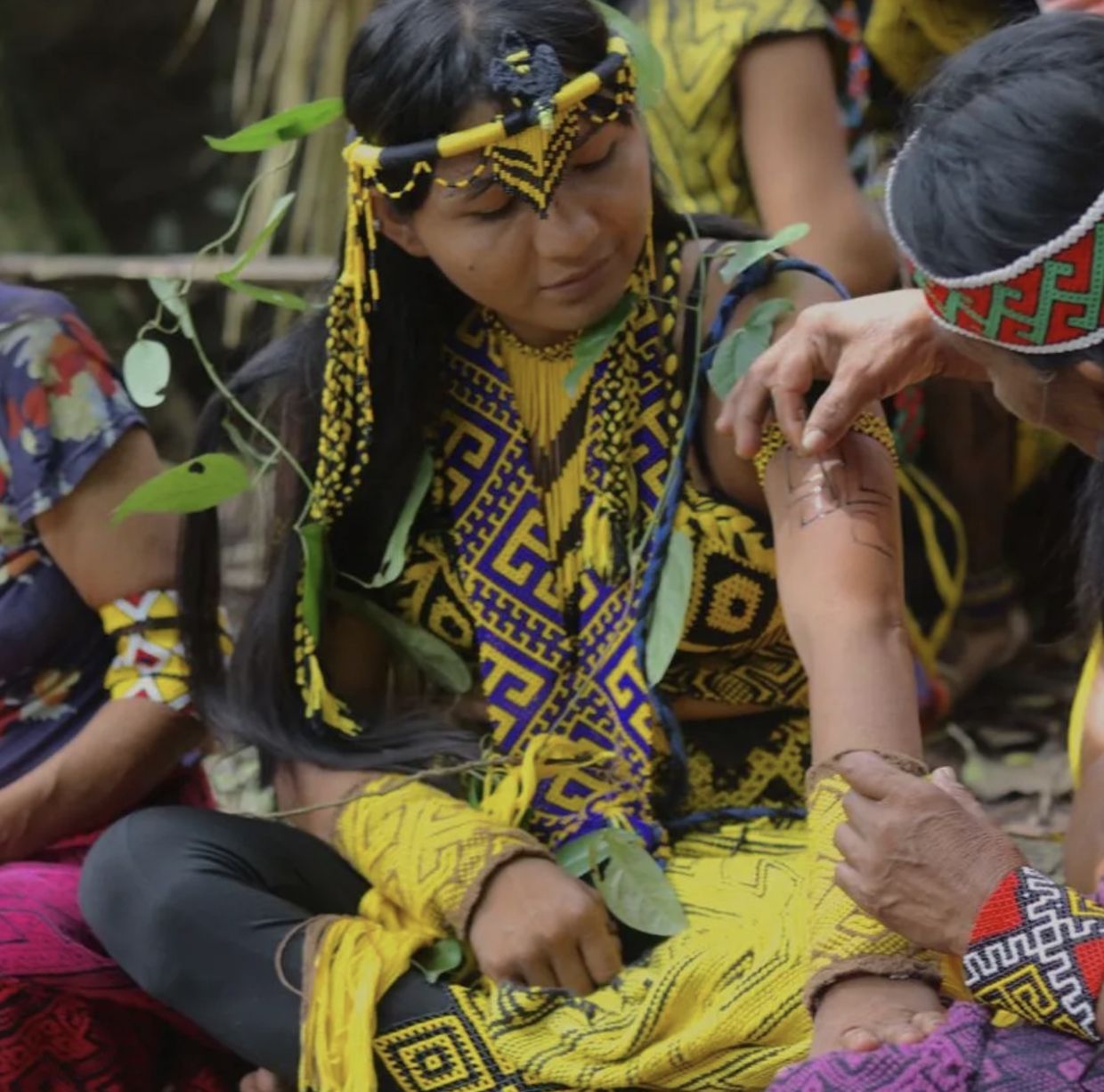

This important land site could become a living model of Indigenous-led regeneration: a mosaic of food forests, clay and hemp homes that are heat insulating and that stops the advent of concrete houses in the Amazon, educational hubs, craft workshops and biodiversity sanctuaries. Children could grow up learning both modern skills and ancestral wisdom in harmony with nature. Families will have space to grow their food and rebuild their relationship with the forest.
Ways to support our project: